
Waterproofing warranties explained: what to read before you sign
By Elena Okafor · Updated 2026-09-26
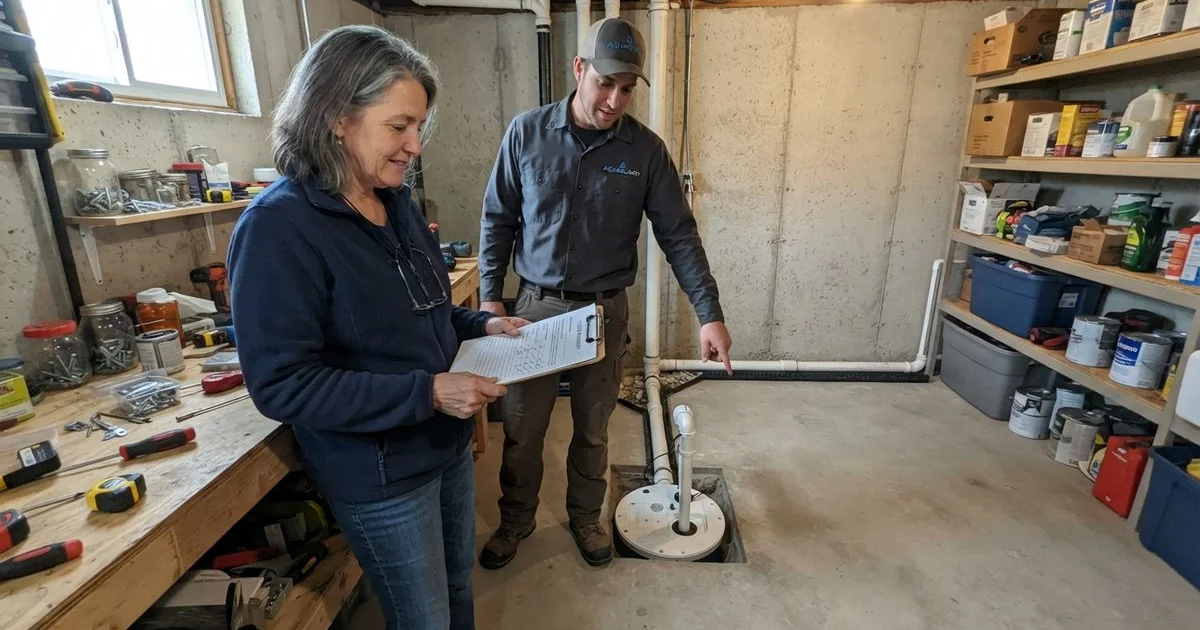
A warranty feels like reassurance. It is also a contract, and its value comes from the details. In this directory’s review data, one reviewer says a warranty claim was not honored, and others mention water issues after a job. Those are individual accounts, but they show why the paperwork deserves a careful read.
This is general information, not legal advice. The reviews and review insights on this site reflect individual people’s experiences. Nothing here constitutes medical advice, so please consult a qualified health practitioner about your own situation.
What a warranty can cover
Warranties differ in what they attach to:
- Workmanship: the installation itself.
- Materials or equipment: a pump, liner or drain component.
- Performance: the system’s effect on water, which is the hardest to define and the most important to read closely.
Nobody can honestly promise that water will never return to a particular house, so be cautious about any wording that sounds absolute, and read what the fine print actually commits to.
The terms that matter
| Term | Question to ask |
|---|---|
| Duration | How many years, and does “lifetime” mean yours, the home’s, or the product’s? |
| Scope | Which parts of the system are covered? Which walls or areas? |
| Exclusions | Flooding, power outages, pump failure, damage to belongings? |
| Transferability | Can a new owner use it, and what does it cost? |
| Conditions | Annual service, registration, no outside repairs? |
| Claim process | Who do I call, how fast must they respond, and in what form? |
| Remedy | Repair, replace, or refund? |
Power loss and pumps
A sump pump needs electricity. Many warranties exclude failures caused by power outages, so ask about battery backup and whether it is part of the scope. Water damage to stored belongings is commonly excluded too, and a separate insurance conversation is needed for that.

Practical steps
- Ask for the full warranty document before you sign, not a summary.
- Confirm in writing who stands behind it: the installer, a manufacturer or a third party.
- Note maintenance duties and set reminders.
- Keep the contract, the warranty, photos of the work and receipts together.
- Photograph the area before and after work.
- If water returns, report it in writing promptly and keep copies.
Signs a warranty may be hard to use
- Vague language about coverage with no document.
- Required service visits that only the installer can provide at high cost.
- A claims process that relies on phone calls with no written trail.
- A company with little verifiable history.
Reviews in this directory that mention slow or missing call-backs are a reminder to test responsiveness during the quote phase. If a company is hard to reach before you pay, consider what that may mean afterward.
Sales talk versus the document
Salespeople describe warranties in friendly terms: “covered for life,” “no worries.” The document governs. Ask the company to point to the sentence that supports each promise. If they say “that’s standard,” ask where it is written. A spoken assurance that is not in the contract is hard to use later, and you may be dealing with a different person when you need it.
Compare warranties across your estimates in the same table you used for price. A shorter warranty with clear terms and a responsive company can be easier to use than a longer one with heavy conditions. Weigh both.
If a claim is denied
Ask for the reason in writing and compare it with the document. Keep records of every contact. If you still disagree, a consumer protection office or an attorney can advise on options. Details vary, and this guide cannot say how your case would turn out.
Where to look next
Our rubric explains how this directory weighs reviews and responsiveness. You can browse local providers from the home page. Coverage is only half of what to check before hiring; the guide on Ohio contractor licensing and permits covers the rest.
Questions people ask
- What is the difference between a lifetime warranty and a transferable warranty?
- Lifetime usually refers to the life of the product or the original owner, as defined in the document. Transferable means it can pass to a new owner, often with a fee or notice. Read how each term is defined.
- Does a warranty cover water in my basement?
- Only what the document says. Some cover the installed system or workmanship, not every possible cause of water or resulting damage to belongings.
- What can void a waterproofing warranty?
- Common triggers include skipped maintenance, changes to grading or drainage, unauthorized repairs, or missing registration steps. Ask for the list.
- What if the company closes?
- A warranty is only as good as the business behind it. Ask whether any coverage is backed by a third party or insurer.