
Crawl Space Waterproofing in Trumbull county, Ohio
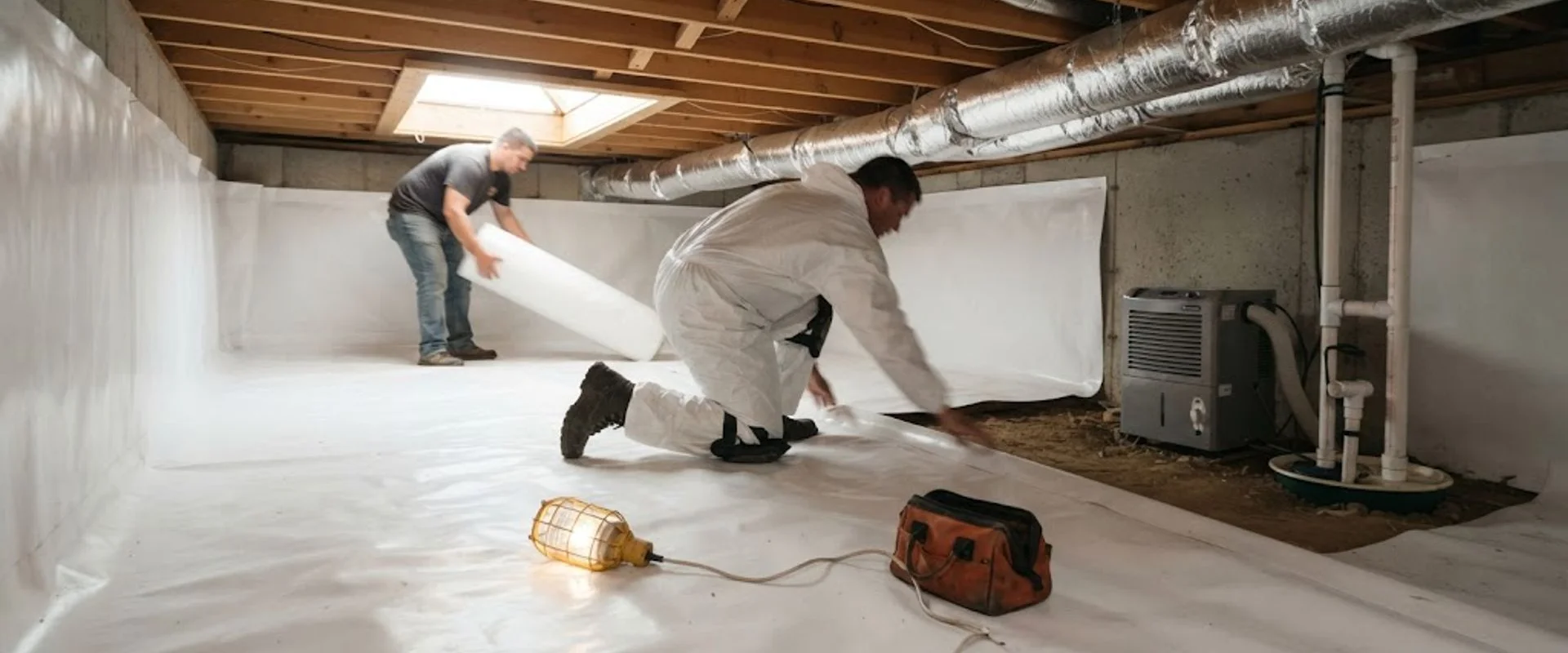
What crawl space waterproofing involves
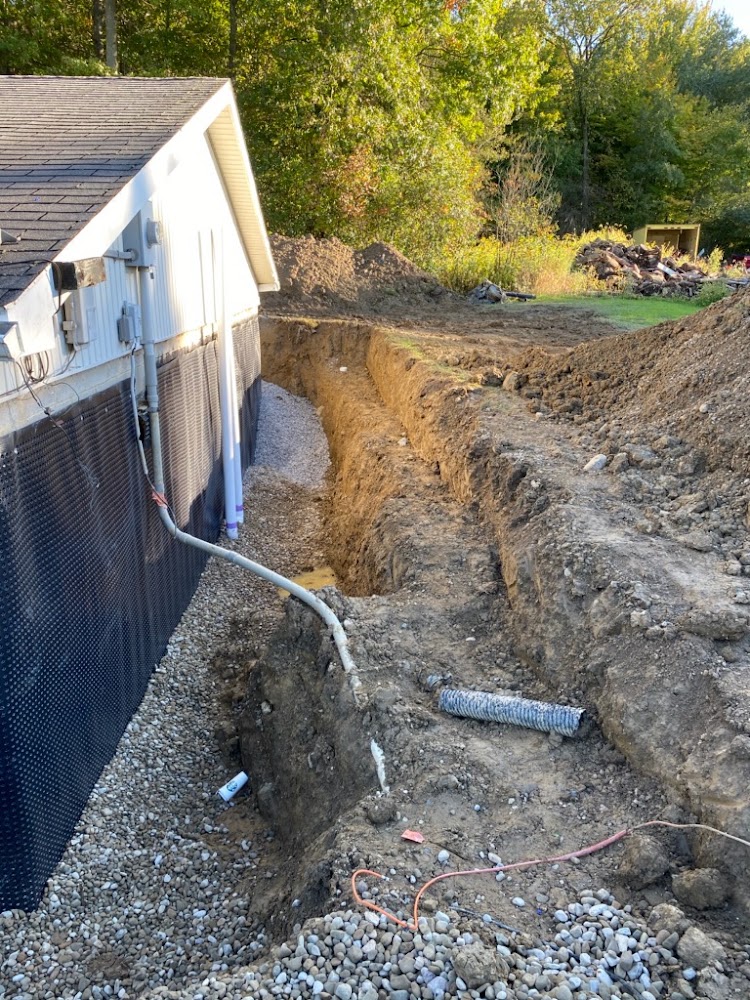
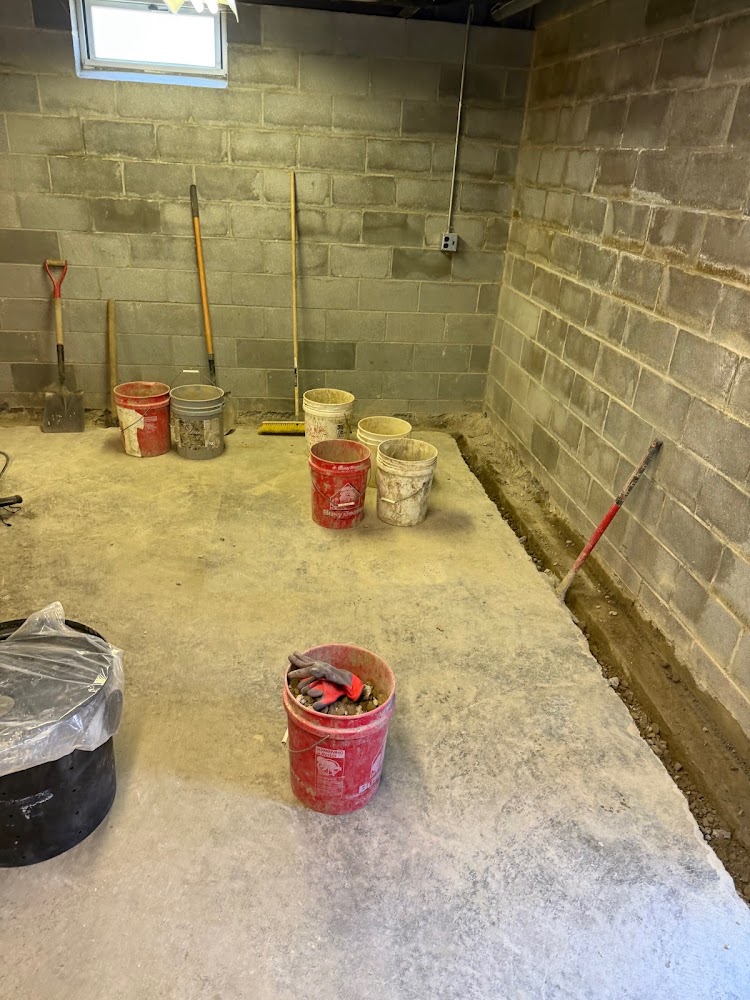
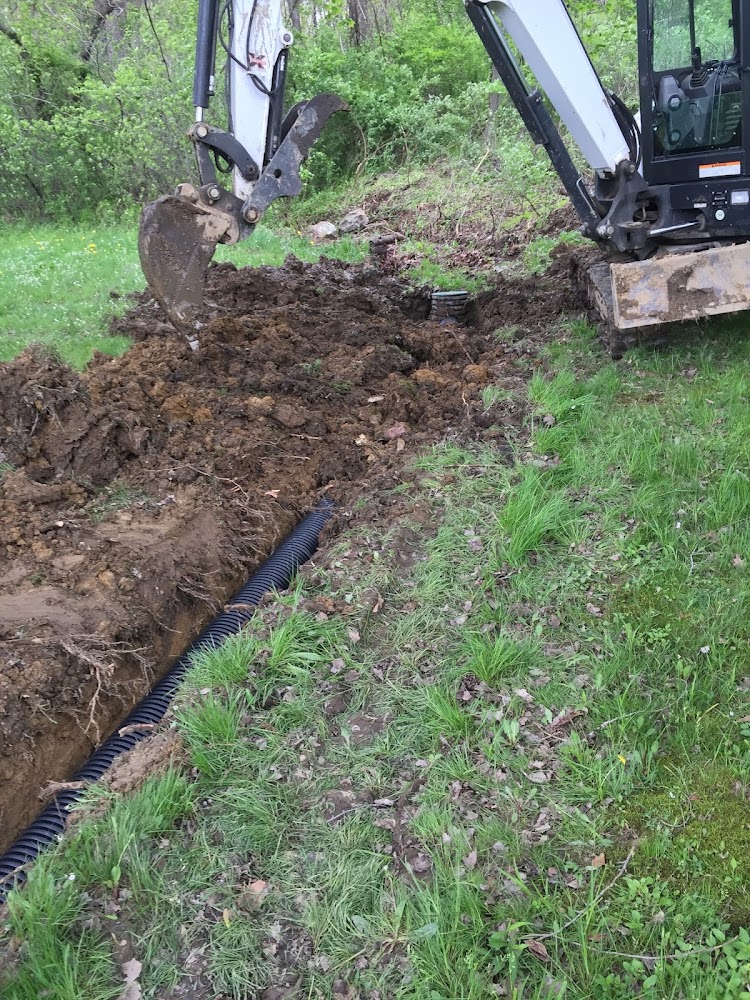
Trumbull County gets heavy lake-effect moisture, clay-heavy soil, and a lot of older homes in Warren, Niles, Girard, and Hubbard with vented, dirt-floor crawl spaces. Water gets in through the walls and floor, and humid air condenses on cool surfaces. Waterproofing usually means some mix of exterior or interior drainage, a sump pump, a heavy vapor barrier on the floor and walls, sealed vents, and a dehumidifier.
What to look for
- A written inspection that names the source of the moisture, not a one-size package.
- Vapor barrier thickness (10 to 20 mil is common) and how seams and walls are sealed.
- A sump pump with a battery backup if the space takes on standing water.
- A warranty in writing, including whether it transfers when you sell.
How our scoring helps
We list 8 companies in this category and score each on the public record we can verify, such as reviews, licensing, and how consistently they are rated. Use the scores to build a short list, then get at least two quotes. Our methodology page explains exactly what we count and how.
Connect with crawl space waterproofing
No cost, no commitment. Describe your waterproofing project and we'll connect you with suitable companies.
All crawl space waterproofing, ranked by score and relevance
8 businesses. The order weighs each business's overall score by how much of its reviewed work is crawl space waterproofing, so a lower-scored specialist can rank above a higher-scored generalist. Filter and sort below, or open the full map view.
Common questions about crawl space waterproofing
- How much does crawl space waterproofing cost?
- Most projects run from about $1,500 for a basic vapor barrier and drainage fix to $5,000 to $15,000 or more for full encapsulation with drains, a sump pump, and a dehumidifier. Size, access, and the amount of standing water drive the price.
- How often does a crawl space need waterproofing?
- Done correctly, it is a one-time job. Drains and barriers typically last 15 to 25 years or more. Sump pumps and dehumidifiers wear out sooner, often in 7 to 12 years, so check them yearly.
- What should I expect during the work?
- Expect an inspection, then cleanout of debris, grading or drain installation if needed, sump pump setup, vapor barrier installation, and vent sealing. Most crawl spaces take one to three days.
- How can I tell if a contractor is good?
- Look for a written diagnosis, itemized quote, named materials, a clear warranty, and local references. Be wary of pressure to sign the same day or a full encapsulation quote without anyone looking at drainage.
Guides to choosing crawl space waterproofing
- Is crawl space encapsulation worth it for an Ohio home?
How to decide whether crawl space encapsulation fits your home: what it does, what to check first, and when simpler fixes may be enough.
- Damp crawl space: warning signs and what to check first
How to recognize crawl space moisture problems, what they can mean for the house and indoor air, and the safe first steps before hiring anyone.