
Is crawl space encapsulation worth it for an Ohio home?
By Elena Okafor · Updated 2026-09-05
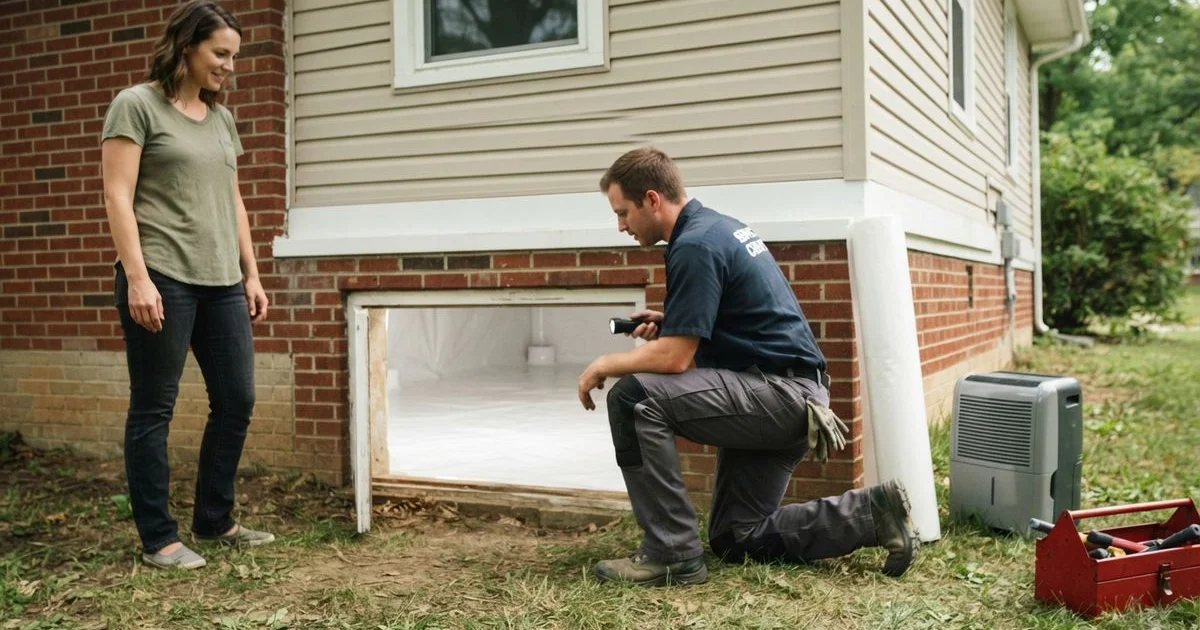
Crawl space encapsulation has become a standard pitch, and search interest is high. Whether it is worth it depends on what is wrong with your crawl space, not on the pitch. This guide is for the stage after you know what it is and before you sign anything. (If you want the short definition, see the glossary entry on encapsulation; here we focus on the decision.)
The reviews and review insights on this site reflect individual people’s experiences. Nothing here constitutes medical advice, so please consult a qualified health practitioner about your own situation. This is general information, not a recommendation for your home.
What the work usually involves
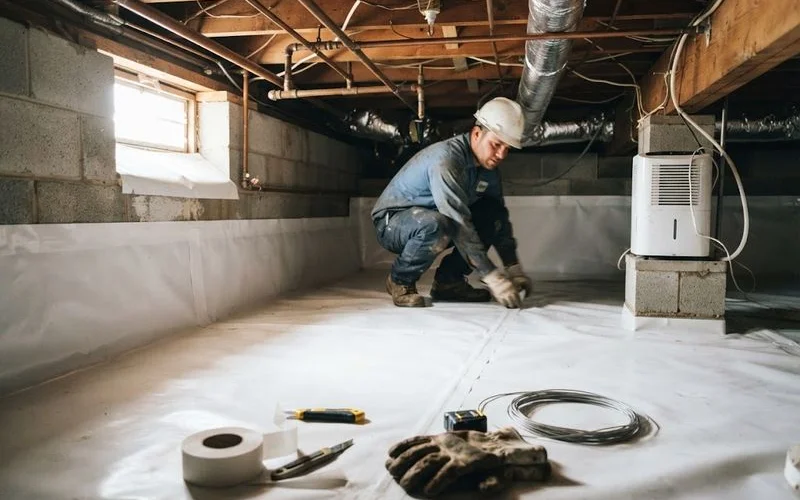
Encapsulation generally means sealing the ground and walls with a heavy plastic liner, closing off vents, and managing leftover moisture with drainage or a dehumidifier. The aim is to stop damp outdoor air and soil vapor from moving through the space under your floors. It does not fix a roof leak, a grading problem or a downspout pointing at the foundation.
Fix the source before you cover it
A liner over a space that keeps taking in liquid water is a short-term cover-up. Before getting quotes, check:
- Do gutters and downspouts discharge several feet from the house?
- Does the ground slope away from the foundation?
- Is there standing water or damp soil after rain, or just humid air?
- Are there plumbing leaks or a dryer vent venting into the space?
Standing water usually calls for drainage work. Humidity alone points more toward vapor control. A company that asks these questions during the visit is doing the right homework.
Signs it may be worth considering
| What you see | What it can suggest | Common next step |
|---|---|---|
| Musty smell upstairs | Moisture or microbial growth below | Inspect, find the source |
| Cold, soft or sagging floors | Long-term dampness near framing | Have the framing checked |
| Condensation on ducts or pipes | Humid air in the space | Vapor control may be on the table |
| Pooled water after storms | Liquid water entry | Drainage first |
| Pest activity | Damp, sheltered space | Moisture reduction plus pest control |
Questions to put to a company
- What moisture source did you find, and how did you test for it?
- What is the liner thickness, and how are seams and walls sealed?
- Is a dehumidifier or pump included, and why?
- What does the warranty cover, and what voids it?
- Is there a maintenance step, such as servicing a dehumidifier?
What reviewers report
In this directory’s review data, people who mention crawl spaces and basement work more often praise tidy worksites and clear explanations from the estimator. Complaints cluster around slow call-backs after the estimate and, in one case, water problems appearing again later. These are individual experiences, and they are a reminder to ask about follow-up before the job, not after.
Cost and value
Prices depend on square footage, wall height, access, drainage and equipment. Sizes differ so much that any single number would mislead you; get written scopes from more than one company. Whether the spend is worth it depends on what you plan to do with the space, your home’s condition and your budget. A second opinion costs little compared with a poorly scoped job.
Cheaper steps to try first
If the space is humid but not wet, a few smaller measures may be worth trying before a full system. Close or seal foundation vents, lay a basic plastic ground cover with overlapping seams, run a dehumidifier sized for the space, and make sure the dryer and bathroom fans vent outdoors. These steps do not replace a full job where liquid water is entering, but they can tell you how much of the problem is humidity. Track the humidity with an inexpensive hygrometer for a few weeks, and write the readings down. A company that sees numbers can tailor its scope, and you will have a baseline if you later hire someone.
Next step
Browse local options in the crawl space waterproofing category, and read our rubric to see how listings are scored. You can also return to the directory home page. If you are not sure the problem is bad enough yet, the guide on crawl space moisture signs and health concerns helps you check first.
Questions people ask
- Do I need encapsulation if my crawl space only smells musty?
- Not necessarily. Odor points to moisture, but the cause could be a downspout dumping near the foundation or open vents. Find the source first, then decide on the scope.
- Can I encapsulate a crawl space myself?
- Laying liner is within reach of some handy owners, but sealing seams, walls and drainage correctly is detail work. Many homeowners hire it out.
- Does encapsulation need a dehumidifier or pump?
- Often a dehumidifier or drainage component is part of the system, but it depends on how wet the space is. Ask the company to explain why each piece is in the scope.
- How long does an encapsulation project take?
- Small, dry spaces can be quick and wet or large ones take longer. Ask for a timeline in the written estimate.