
What drives basement waterproofing costs in Trumbull County
By Elena Okafor · Updated 2026-09-02
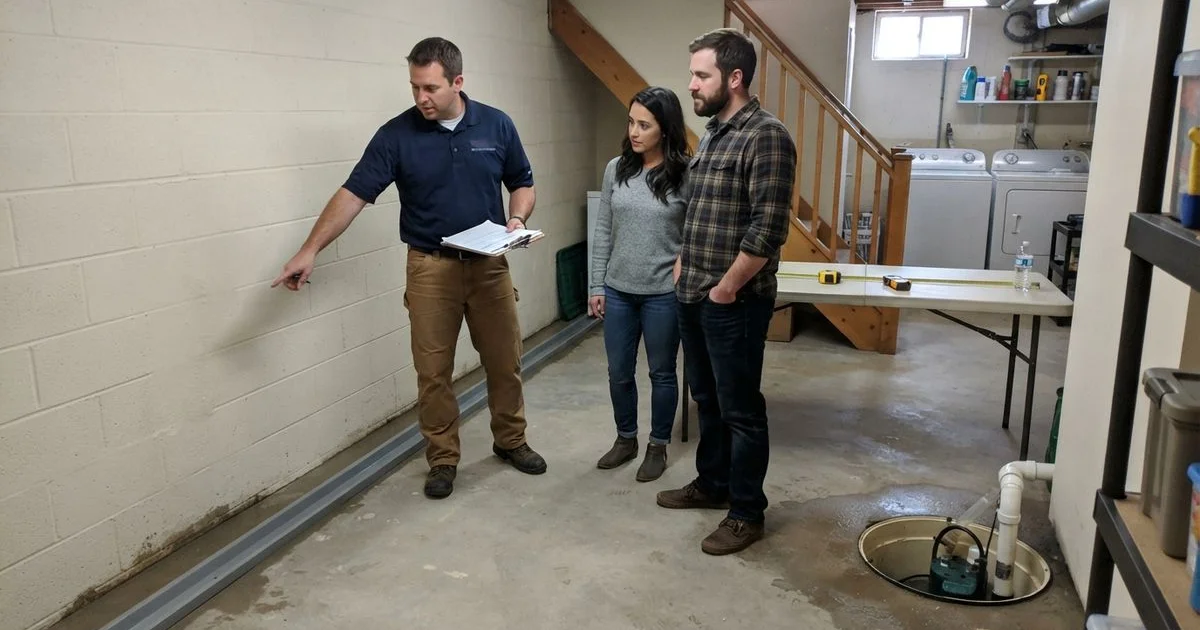
Ask three companies to price a wet basement and you can get three very different numbers. That is rarely because someone is padding the bill. It is usually because each one scoped a different job. This guide explains what moves a waterproofing price so you can read quotes with a clear head.
The reviews and review insights on this site reflect individual people’s experiences. Nothing here constitutes medical advice, so please consult a qualified health practitioner about your own situation. Cost information below is general, not a quote or professional advice.
Where the water comes from sets the scope
Water gets into a basement through a few routes: the joint where the floor meets the wall, cracks in the wall, porous block or poured concrete, window wells, and pressure from saturated soil. A company that finds one source will price differently from one that finds three. The basement waterproofing hub lists local companies that work on this type of problem, and each one will have its own view of the cause.
Northeast Ohio’s mix of heavy clay soil and freeze-thaw cycles means water often sits against foundation walls for days after rain or snowmelt. That pressure is why some jobs involve drainage along the footing and not just a surface patch. If you are weighing a smaller fix first, the guide on what you can DIY and when to hire a pro shows where that line sits.
The main price drivers
| Factor | Why it moves the price |
|---|---|
| Length of wall or floor perimeter treated | More linear feet of drain, membrane or sealant means more labor and material |
| Interior vs exterior approach | Exterior work means excavation, which adds equipment, restoration and sometimes landscaping |
| Sump pump and basin | A new basin needs floor cutting; a replacement pump alone is a smaller line item |
| Wall condition | Bowing, cracking or crumbling block can add repair work on top of water control |
| Access and finish | Finished walls, tight crawl areas, decks or slabs over the work area add time |
| Discharge route | Where pumped water goes, and whether a line must be run, changes the scope |
| Warranty terms | Longer or transferable coverage is sometimes built into the price |
What reviewers say about money
Reviewer accounts of price in this directory’s data are scattered and unverified. One describes a job that came in at the quoted price. Another mentions a figure in the thousands of dollars for a basement job. Treat these as individual experiences, not benchmarks. Reviews that mention estimates tend to praise clear explanations from the estimator and to complain about slow call-backs after the quote.
How to compare quotes fairly
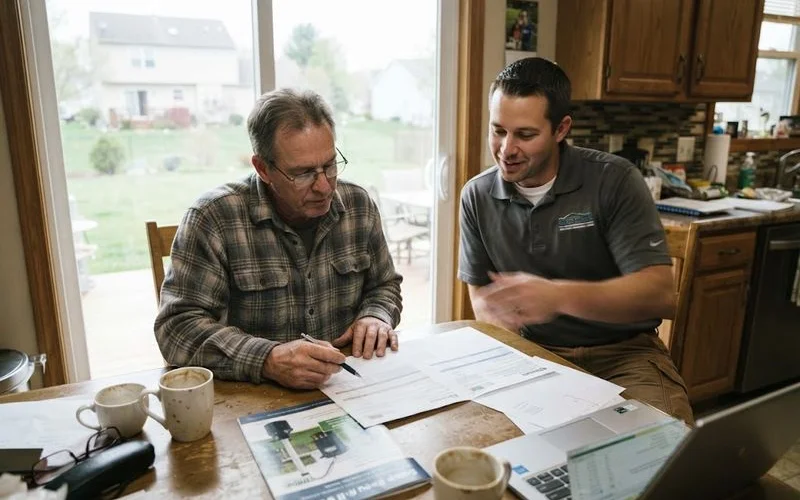
- Get at least two written estimates that list the work, the materials and the area covered.
- Ask each company to name the source of water they found. If the answers differ, ask why.
- Check what is excluded: electrical for the pump, drywall, painting, landscaping, permits.
- Ask who the warranty is with and what voids it.
- Confirm the timeline and who is on site each day.
Watch for vague scopes
A one-line quote such as “waterproof basement” tells you nothing. A useful estimate says where the drain runs, how many feet, what the pump discharges into, and what happens to the removed concrete. If a company will not put it in writing, that is information too.
Insurance and financing
Many homeowners policies treat gradual seepage differently from sudden water events. Some offer an optional water backup endorsement. Whether yours does is a question for your insurer, and a company that says “insurance will cover it” before reading your policy is guessing. Financing offers vary by company; ask for the terms in writing and read them before signing.
Questions that expose hidden costs
Some costs only appear after the work starts. Ask each company what happens if the crew finds something unexpected: a second crack behind a finished wall, a drain line that is blocked, or concrete thicker than planned. A good answer names who decides, how a change is priced, and whether you sign off before extra work begins. Ask too whether the quote includes hauling away the removed concrete and soil, restoring the floor finish, and any electrical work for the pump. Those line items are easy to leave out of a low number and easy to add to a final invoice.
It also helps to ask about timing. Companies in busy seasons may book weeks out, and reviewers in this directory mention that some firms fill their calendars fast. A lower price with a long wait can cost more if water keeps coming in while you wait.
Before you decide
Cost is only one input. Response time, clear communication and the warranty matter as much when something goes wrong a year later. You can see how this directory weighs those signals in our rubric, and you can start from the Trumbull County Waterproofing Guide home page to browse by service.
Questions people ask
- Why do two basement waterproofing quotes for the same house differ so much?
- Quotes often describe different jobs. One may cover a short interior drain section and a sump pump, another a full perimeter system plus wall repair. Compare the scope line by line before you compare the totals.
- Is the cheapest quote a red flag?
- Not automatically, but a low total with a vague scope deserves questions. Ask what is left out, what the warranty covers, and who handles cleanup.
- Does homeowners insurance pay for basement waterproofing?
- Policies differ, and many exclude groundwater seepage or gradual leaks. Read your policy or ask your insurer directly. This directory cannot tell you what your policy covers.
- Can I get a firm price without a site visit?
- Phone ballparks exist, but most companies need to see the walls, floor and drainage before putting a price in writing.